Kyomai Dance

- Itinerary -
Guided Tour - Yomei Bunko Museum
"Kyomai" Traditional Dance Experience
Move to Miyawaki Baisen-an
Guided Tour - Miyawaki Baisen-an
Experiencing the World of Folding Fan
Move to Ichiriki-tei
Experiencing yhe Kyomai Dance
2:00PM
3:00PM
4:30PM
6:00PM
60min
60min
15-30min
60min
15-30min
Guided Tour of Yomei Bunko Museum
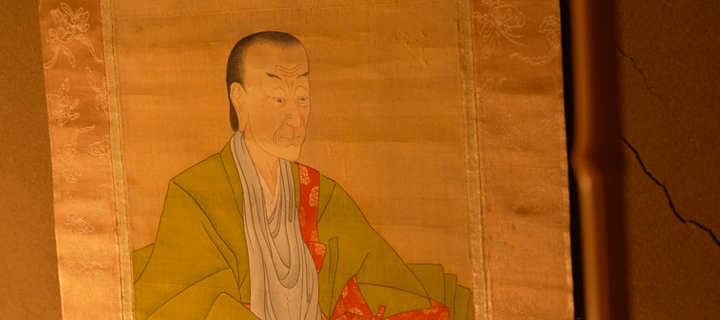
The Yomei Bunko houses a wide range of materials related to traditional Japanese performing arts, including poetry and music. Among the waka (Japanese classic poetry) related items are the National Treasures Uta-awase (Poetry Contest) and Ruijū Uta-awase (19 scrolls), while in the musical category, there is the National Treasure Kagura Wagon Hifu (Secret Musical Score for the Kagura Wagon).
"Kyomai" Tradional Kyoto Style Dance with Inoue School

There will be a workshop experience where at first there will be a video featuring the 5th generation Yachiyo and 6th generation Yasuko Inoue to watch and gain a further understanding.
Kyomai is a dance originated from Kyoto performed by geikos and maikos. Inoue-ryu is a school of Kyomai that started under the Konoe family. The most established school for Kyomai is the Inoue school and they only accept Geiko and Maiko from the Gion district which is now the largest and the most popular among 6 major districts. Sato, the founder of the Inoue school, started working for the Konoe family in the 18th century at age 16. She was already a trained dancer but having access to other established performing arts at the imperial court, led her to become a unique dancer of her own. The Konoe family gave her the name Yachiyo and "Konoe Bishi" crest to establish the Inoue school. The name Yachiyo has been passed down from generation to generation, the current generation being the fifth.
Miyawaki Baisenan

There will be an opportunity to see fans used in Kyomai provided by the Miyawaki Baisenan and a little sneak peak of how these fans are made. Miyawaki Baisen-an is a family-run fan atelier in Kyoto that was founded in 1823. They have been crafting handmade Japanese folding fans that support and represent the height of Japanese culture—from the imperial court and tea ceremony to classical dance and Noh theater. Their fans are still cherished by tea masters, Noh performers, geiko, and maiko as essential tools of refined expression.
Dinner at Ichiriki-tei
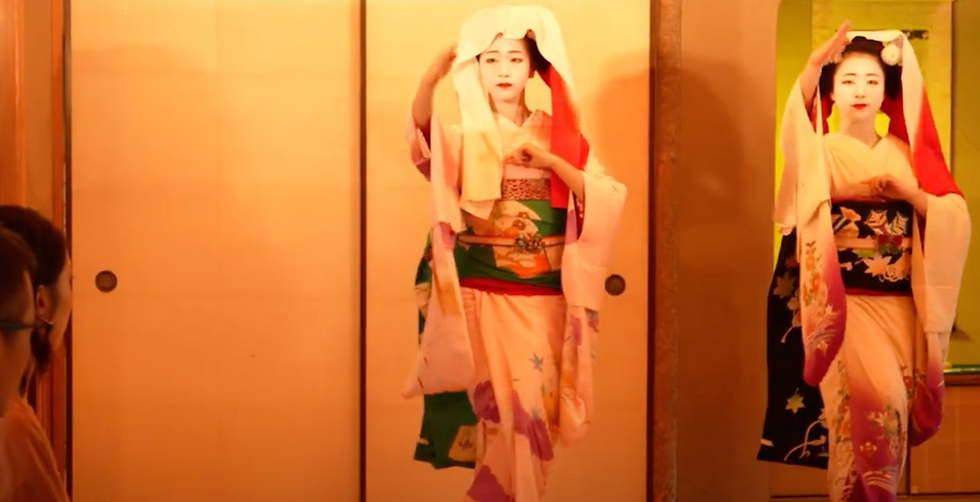
Ichiriki-tei (or Ichiriki-chaya) is one of Kyoto’s most famous and exclusive "Ochaya" (traditional tea house), located in the historic Gion district. With over 300 years of history, it is known for hosting "Geiko" (Performer) and "Maiko" (Apprentices) who entertain elite guests with traditional music, dance, and refined conversation.
Ichiriki-tei has long been a gathering place for powerful samurai, politicians, and cultural figures, and is especially famous for its connection to the story of the 47 Ronin—where the leader Ōishi Kuranosuke is said to have stayed while plotting the group's legendary act of revenge. The tea house is highly exclusive, requiring an introduction for entry, and is considered a symbol of Kyoto's refined and discreet hospitality culture. As the teahouse is located in Gion district,the Inoue School geiko and maiko belong in this teahouse. In this event, there will be performances by the current geiko and maiko under the Inoue school.
